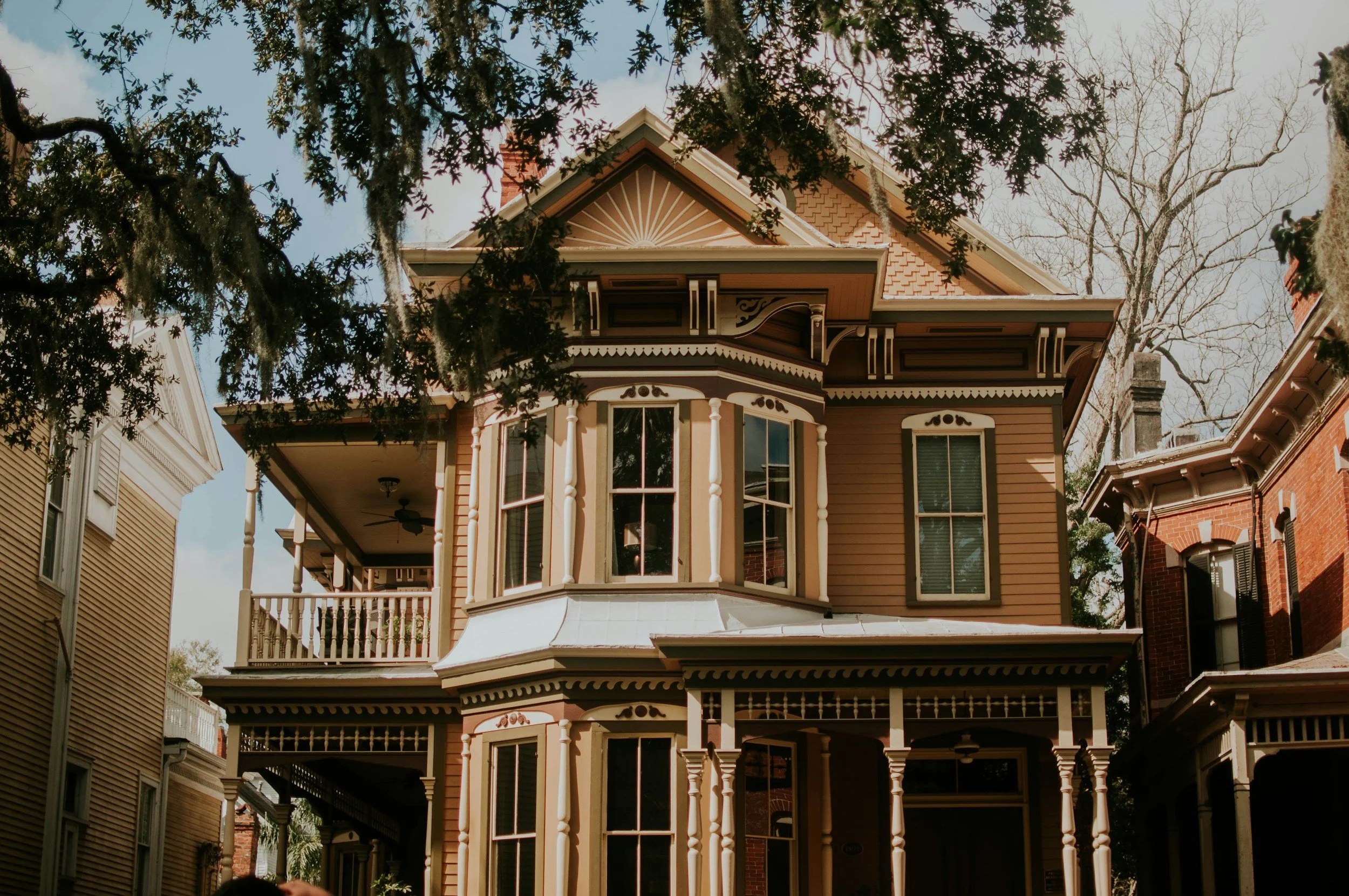
There is a pencil line on a doorframe somewhere in your house, or a porch where every summer happened, or a kitchen that has hosted twenty Thanksgivings and fits about six people. The house holds your life. It just does not work anymore.
That is usually when people call me with the question: do we fix it, or do we start over? I design and build both, so I do not have a stake in the answer. Here is how to make the call honestly, with 2026 Wilmington numbers.
Is it cheaper to renovate or rebuild in Wilmington?
Per square foot, renovation usually costs less. As of 2026 in Wilmington, a whole-house remodel of an older home runs about $150 to $250 per square foot, and a new custom home runs about $300 to $400 per square foot before land.
But per square foot is the wrong way to compare them. A renovation prices the house you have, unknowns included. A rebuild prices the house you want, with demolition and site work added on top. The real comparison is total cost against what you end up with.
When does renovating make sense?
Renovating is usually the right call when:
The structure is sound. Foundation, framing, and roof structure are in reasonable shape, or the repairs are known and contained.
The layout mostly works. You want better rooms, not a different house. Moving a kitchen is renovation. Moving every wall is a rebuild in disguise.
The house has something you cannot buy new. Old-growth heart pine, plaster walls, a porch that faces the right way, the setbacks of a lot laid out a century ago.
The work stays clear of the triggers below. Flood and historic rules can turn a renovation into something much bigger.
When does tearing down and rebuilding make sense?
Rebuilding is usually the right call when:
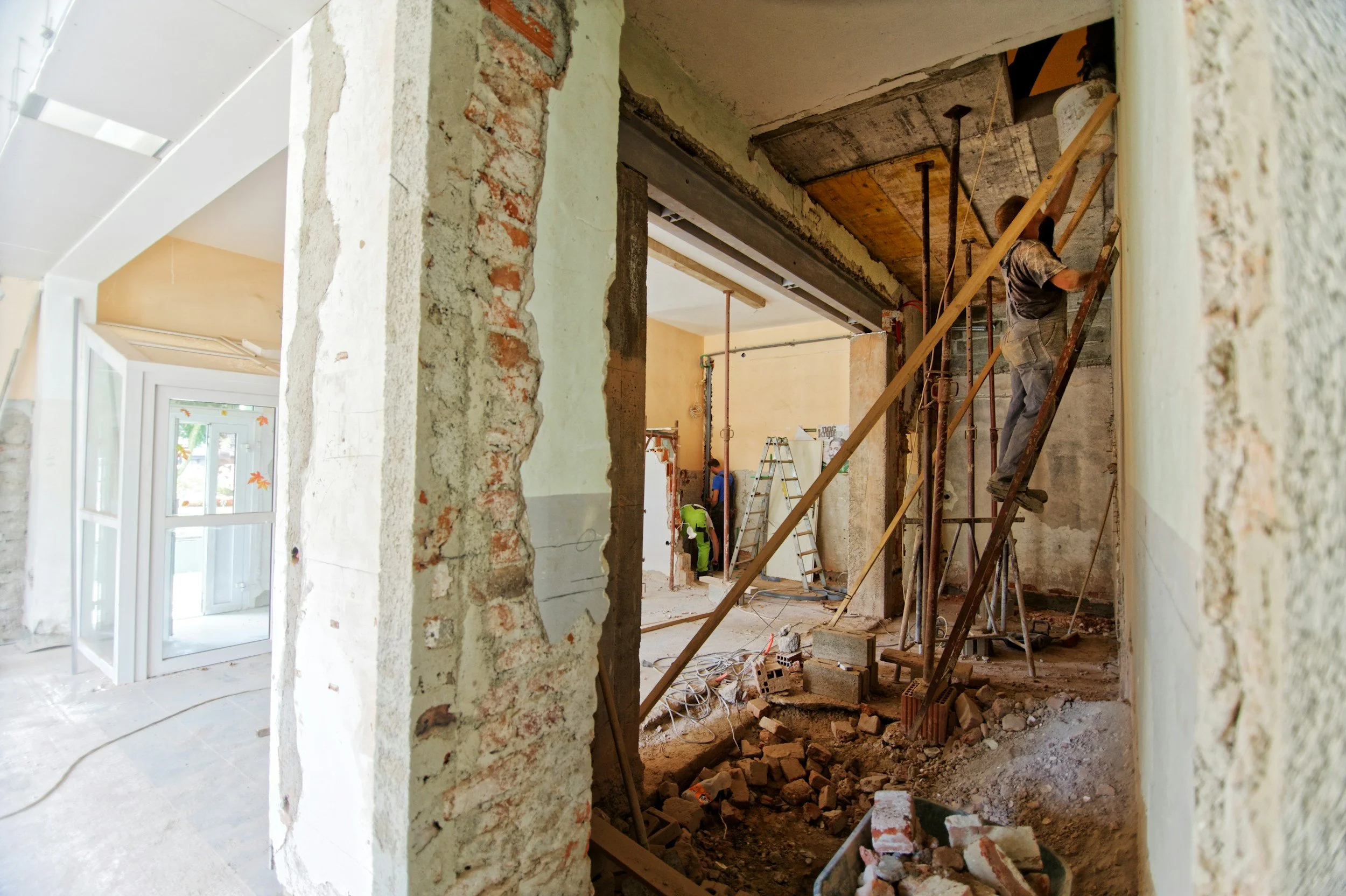
The renovation would replace most of the house anyway. Once you are redoing structure, systems, envelope, and layout, you are paying renovation prices for a new house with old constraints.
The house sits too low in a flood zone. Bringing an existing house up to current flood requirements can cost more than building a compliant one from the ground up.
The lot can do far more than the house does. A small house on a large or well-located lot often leaves the most value on the table.
The unknowns outweigh the knowns. Termite history, failed foundations, or layers of past repairs make a renovation budget a guess. A new build is easier to price with confidence.
How do renovating and rebuilding compare side by side?
Typical cost, 2026 Wilmington. Renovate: $150 to $250 per square foot for a whole-house remodel. Rebuild: $300 to $400 per square foot, plus demolition and site prep of [CONFIRM: typical demolition and site prep range].
Typical timeline. Renovate: [CONFIRM: typical whole-house renovation timeline]. Rebuild: 10 to 14 months from permit to completion, plus design time.
Budget certainty. Renovate: lower, because walls hide things until they are opened. Rebuild: higher, because almost everything is known before pricing.
What you keep. Renovate: character, materials, history, and often the existing setbacks. Rebuild: the lot and the memories.
Flood compliance. Renovate: can be triggered by the size of the project. Rebuild: built to current requirements from the start.
Historic district. Renovate: exterior changes generally need review. Rebuild: demolition needs approval and can be delayed.
The Wilmington specifics
The 50 percent rule decides more renovations than budgets do. If your house is in a FEMA flood zone and sits below the required flood elevation, federal floodplain rules compare the cost of your improvements to the market value of the structure, not the land. If the work reaches 50 percent of that value, the whole house generally has to be brought up to current flood requirements, which can mean elevating it. In a market where land carries most of the value, a modest-looking house can cross that line faster than people expect. We check this before design starts, not after, and confirm how the local floodplain administrator calculates it on every project.
Historic district demolition takes time. Under North Carolina law, a historic preservation commission can delay the effective date of a demolition approval for up to 365 days. Demolition is rarely denied outright, but a year on the calendar changes your financing and your plans. Inside the downtown districts, that delay belongs in the decision from the first conversation.
Old lots can be worth keeping. Many older Wilmington houses sit closer to the property line than current rules would allow a new house to. Renovating can preserve that footprint. Tearing down may mean building to today's setbacks instead. We confirm what a lot allows before anyone recommends demolition.
Salt air and termites write their own report. Near the water, the condition of sills, rim joists, and fasteners often decides this question before any drawings do. A day of opening up the right spots tells you more than any listing description.
How do you decide?
Three questions get most families to the right answer:
What would you actually miss? Name it specifically. The porch, the floors, the doorframe. If the answer is the lot and the neighborhood, that points to rebuilding. If it is the house itself, that points to saving it.
What do the bones say? Get a builder to look at structure, systems, and moisture before you fall for either plan.
Does the project trip a rule? Know where you stand on flood elevation, the 50 percent threshold, and historic review before you pay for design.
The honest answer

Sometimes the right move is to save the house, and sometimes it is to let it go and build something that serves the next thirty years. I have recommended both. What matters is making the call with real numbers and a clear look at the structure, instead of falling in love with one plan and paying to find out later.
[CONFIRM, optional: two or three sentences on a real job where this decision came up, such as a lift-and-renovate. What tipped it. Neighborhood only, no address. Delete this line if unused.]
Common questions
Is it cheaper to tear down a house and rebuild?
Usually not per square foot, but sometimes overall. When a renovation would replace structure, systems, and layout anyway, or when flood rules would force the house to be elevated, rebuilding can deliver more house for a similar total. The only reliable way to know is to price both against the same goals.
What is the 50 percent rule for flood zones?
For a house in a FEMA flood zone that sits below the required elevation, if the cost of improvements reaches 50 percent of the structure's market value, the whole building generally has to meet current flood requirements. That can include elevating it. Local administrators set how the value and costs are calculated, so confirm it before design.
Can I tear down a house in a Wilmington historic district?
Usually, but not quickly. Demolition in a historic district needs approval, and North Carolina law allows the commission to delay it for up to 365 days. Outright denial is limited to rare cases of statewide significance.
How do I know if my house is worth renovating?
Start with the structure, not the finishes. Have a builder check the foundation, framing, roof structure, moisture, and termite history. If the bones are sound and the layout mostly works, renovating is usually the better value.
If you are weighing this decision on your own house, walk it with us before you commit to either path. We will tell you what the bones say and what each option really costs.
Cory Thompson is the owner of Thompson Design + Build in Wilmington, North Carolina. NC General Contractor License L.80094. Established 2014.